WOX Shera Selected for Taxi Operations in Nepal as WOX Expands Commercial Electric Mobility
Designed for commercial mobility, WOX Shera strengthens WOX Motor's growing presence in emerging markets with a practical electric taxi solution built for fleet operators and urban transportation.
ISTANBUL, WARSAW & ZHENGZHOU — July 2026
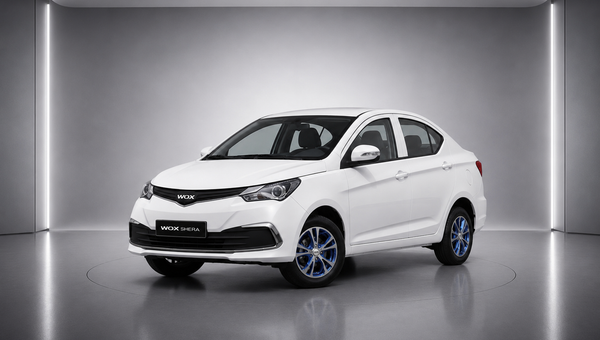
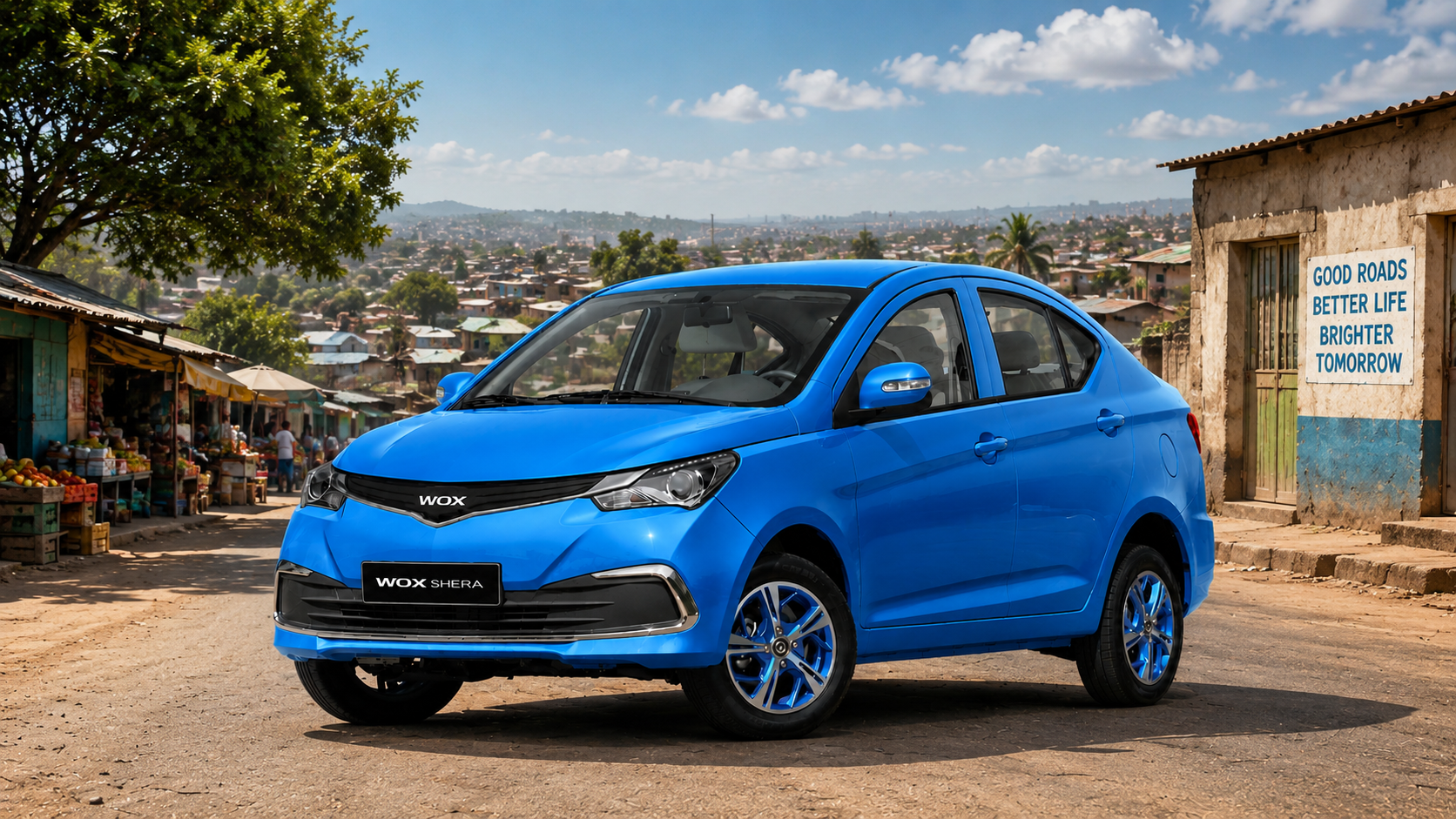
WOX Motor has announced that WOX Shera, its purpose-built electric sedan for commercial mobility, has been selected for taxi operations in Nepal. The introduction of Shera into Nepal's urban transport network marks a meaningful step in WOX Motor's strategy to bring practical electric mobility solutions to fleet operators in emerging markets.
Nepal represents a growing mobility market where demand for reliable, low-cost urban transportation continues to expand alongside increasing interest in electric vehicles. WOX Shera has been developed with precisely these conditions in mind — a compact electric sedan designed not for the showroom, but for the road.
Built for Commercial Operation
WOX Shera is not a passenger car adapted for fleet use. It has been developed from the outset as a commercial mobility platform — engineered to meet the demands of intensive daily operation, high passenger turnover and the economic realities facing taxi operators and fleet businesses.
The vehicle's design prioritises the factors that matter most to commercial operators: reliability, low running costs, driver comfort over long shifts, and a passenger cabin that delivers a consistently professional experience. These are not incidental qualities. They are the product of a deliberate development philosophy that places the fleet operator — not the private buyer — at the centre of the design process.
For taxi businesses and ride-hailing operators, the transition to electric vehicles is increasingly driven by economics rather than ideology. Lower fuel costs, reduced maintenance requirements and the growing availability of charging infrastructure are making the case for fleet electrification in markets where margins are tight and operational efficiency is paramount.
WOX Shera has been designed to make that transition practical.
Why Nepal?
Nepal's urban mobility landscape is evolving. Cities including Kathmandu are experiencing sustained growth in demand for organised taxi and ride-hailing services, and the country's geography — characterised by dense urban centres and defined commuter corridors — is well-suited to the operational profile of a compact electric sedan.
Interest in electric vehicles within Nepal's commercial transport sector has been growing steadily, supported by a combination of rising fuel costs, increasing environmental awareness and a pragmatic recognition among fleet operators that electric powertrains offer a compelling long-term cost case.
WOX Shera's introduction into taxi operations in Nepal reflects WOX Motor's assessment that the country represents an important and underserved market for purpose-built commercial electric vehicles — one where a practical, reliable and affordable EV can deliver genuine operational value from day one.
What Does Purpose-Built Mean in Practice?
The distinction between a consumer EV adapted for fleet use and a vehicle designed specifically for commercial operation is significant — and it matters to operators who depend on their vehicles to generate revenue every day.
For WOX Shera, purpose-built means:
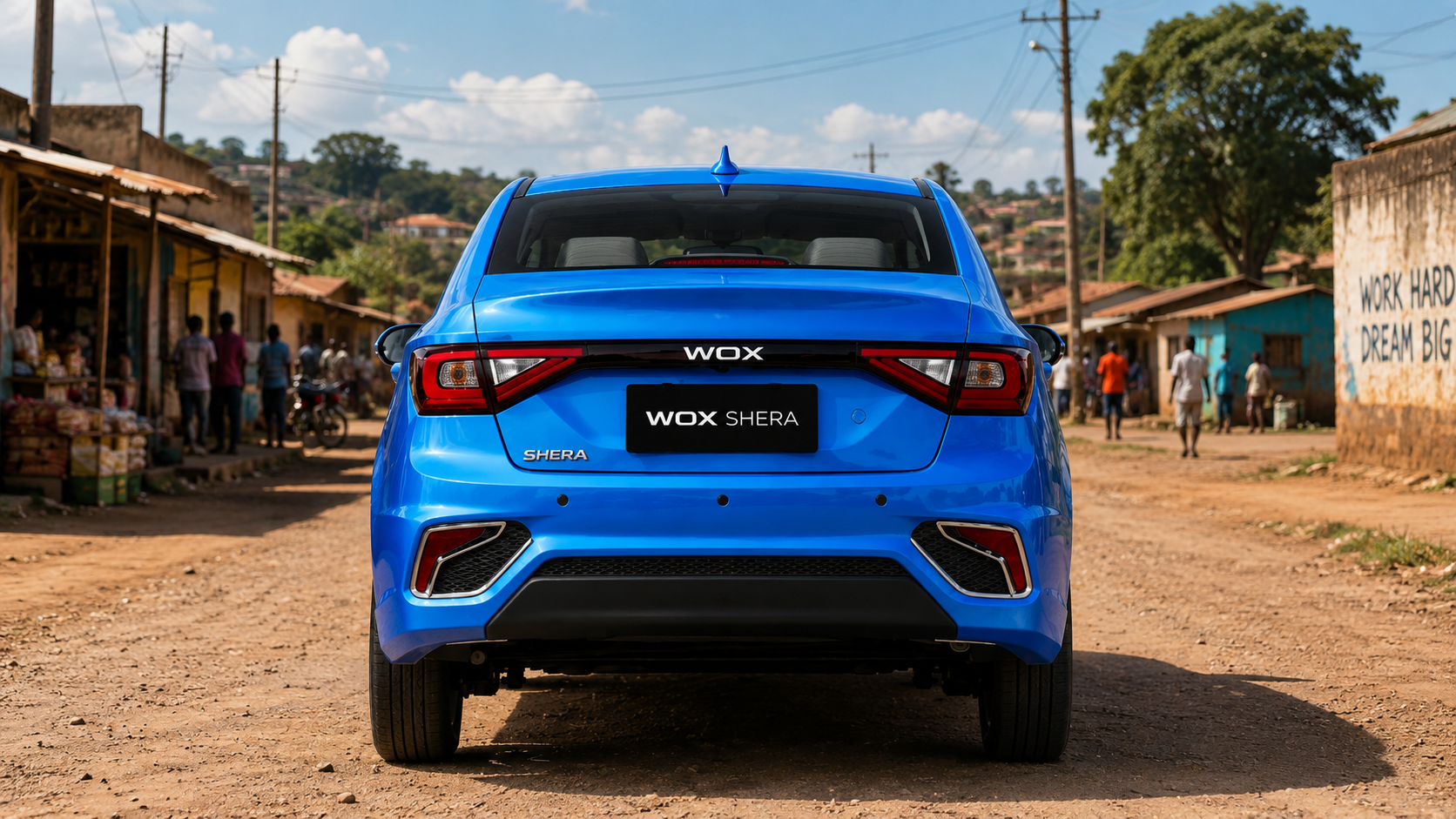
- Driver-focused ergonomics — a cabin designed for comfort across extended working hours, with controls and visibility optimised for urban driving conditions
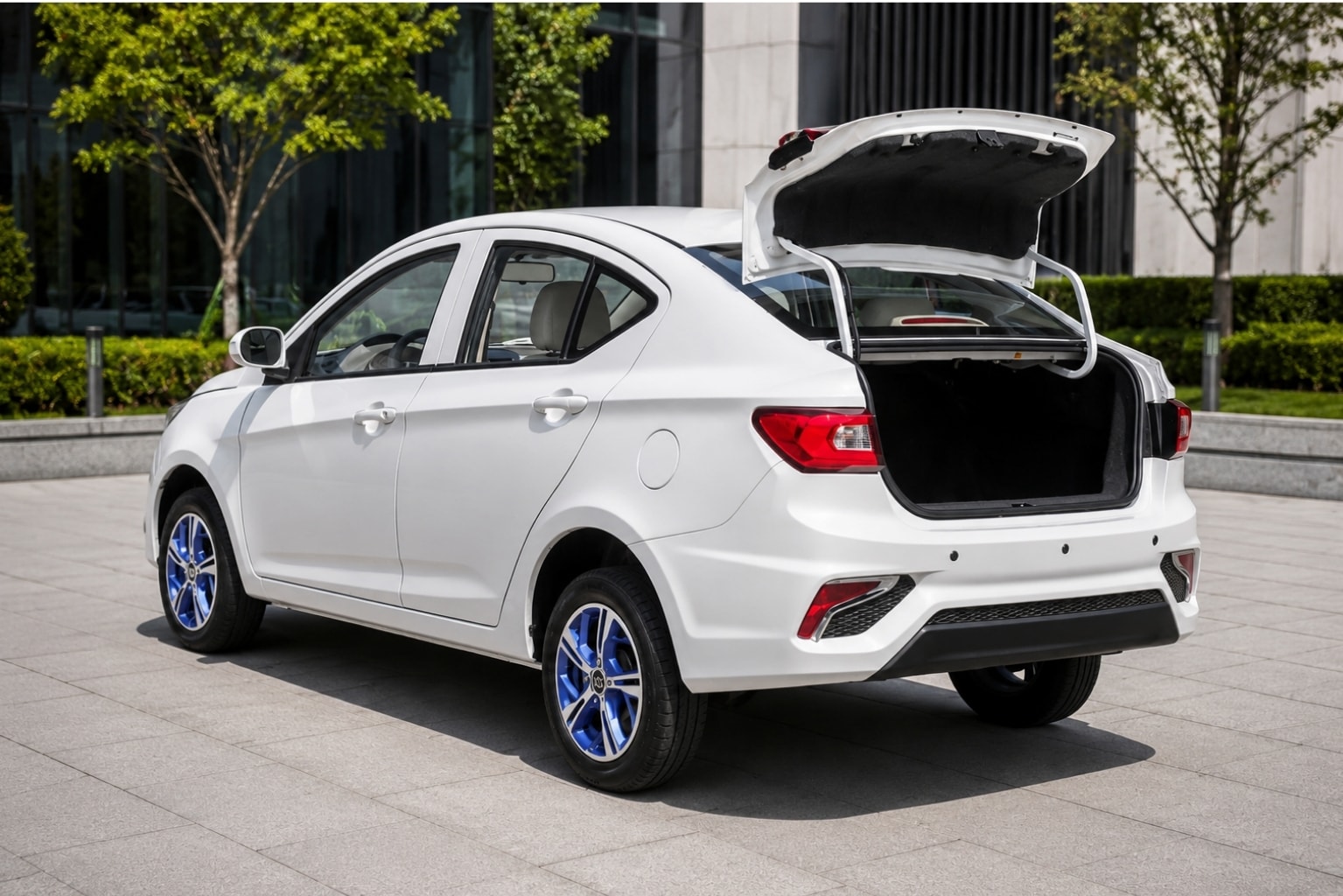
- Passenger comfort — rear seating configured for the practical needs of taxi passengers, with adequate headroom, legroom and ease of entry and exit
- Operational durability — engineering choices that prioritise reliability and reduced maintenance intervals over the lifetime of the vehicle
- Fleet-ready connectivity — compatibility with WOX Fleet management systems, enabling operators to monitor vehicle status, charging schedules and operational performance across their entire fleet
- Charging flexibility — designed to integrate with WOX Charging infrastructure, supporting both scheduled overnight charging and opportunity charging during operational hours
These are the qualities that determine whether an electric vehicle works in a commercial context — not range figures quoted under ideal conditions, but real-world operational performance across a full working day.
CEO Statement
"Commercial mobility is one of the fastest-growing segments of the global electric vehicle industry. Fleet operators in emerging markets are looking for vehicles that deliver genuine operational value — not just an electric powertrain, but a complete solution that reduces costs, improves reliability and supports the day-to-day realities of running a taxi or ride-hailing business. Shera has been developed to answer that need. We are proud to see it entering service in Nepal, and we look forward to supporting fleet operators there as they make the transition to electric mobility."
— Mahmut Ulubas, CEO & Co-Founder, WOX Motor
Ulubas continued:
"Emerging markets are not a secondary consideration for WOX Motor — they are a primary focus. The mobility challenges facing cities in Nepal, and in many other rapidly growing economies, require vehicles that are practical, affordable and built for the conditions in which they will actually operate. Shera is our answer to that challenge."
Part of the WOX Commercial Mobility Ecosystem
WOX Shera does not operate as a standalone product. It is designed as an integrated component of WOX Motor's broader commercial mobility ecosystem — a connected platform that brings together electric vehicles, charging infrastructure, fleet management software and energy solutions.
WOX Fleet provides the software layer through which Shera deployments are managed — giving operators real-time visibility into vehicle status, charging levels, trip data and maintenance schedules across their entire fleet.
WOX Charging supplies the energy infrastructure that keeps Shera operational across extended working days, with charging solutions developed by Sundre, a WOX Group company, designed for both depot and public charging environments.
WOX Energy supports the battery management and energy storage systems that underpin reliable commercial operations, particularly in markets where grid infrastructure may be variable.
WOX Technology represents the engineering foundation that connects Shera to the broader WOX ecosystem — encompassing the software, connectivity and vehicle intelligence capabilities that enable fleet operators to manage their operations more effectively.
WOX Relay, WOX Motor's autonomous logistics platform, complements Shera in commercial environments where both passenger transport and goods movement are required — offering operators a pathway toward a more comprehensive intelligent mobility solution.
This ecosystem approach is central to WOX Motor's commercial strategy. A vehicle is a starting point. A connected mobility platform is a long-term operational advantage.
The Broader Context: Fleet Electrification in Emerging Markets
The electrification of commercial vehicle fleets is accelerating across emerging markets. Urbanisation, rising fuel costs, increasing environmental regulation and the improving economics of electric powertrains are collectively creating conditions in which fleet electrification is transitioning from a long-term aspiration to a near-term operational priority.
For taxi operators and ride-hailing businesses, the economics are increasingly compelling. Electric vehicles offer lower per-kilometre running costs than their combustion equivalents, reduced maintenance requirements and a passenger experience that is quieter, cleaner and more consistent.
The challenge has not been the technology. It has been the availability of vehicles designed specifically for commercial use — vehicles that can withstand the demands of intensive daily operation, integrate with fleet management systems and be supported by accessible charging infrastructure.
WOX Motor has developed Shera to address precisely this gap. And Nepal is where that development meets the road.
Related Content
- WOX Shera — Commercial Electric Sedan
- WOX Fleet Management
- WOX Charging Infrastructure
- WOX Technology Platform
- WOX Energy Solutions
- WOX Relay — Autonomous Logistics
- All WOX Vehicles
- Electric Mobility — Knowledge Center
- Fleet Electrification — Knowledge Center
- WOX Motor Newsroom
About WOX Motor
WOX Motor is an international mobility brand developing intelligent passenger vehicles, commercial vehicles, autonomous logistics platforms and sustainable transportation solutions for global markets. Combining global design expertise with advanced manufacturing and software capabilities, WOX is committed to delivering innovative mobility that is accessible, reliable and built for the future.
Headquarters: Istanbul, Türkiye | Warsaw, Poland | Zhengzhou, China
Media Contact: info@woxmotor.com
This announcement confirms WOX Shera's introduction into taxi operations in Nepal. Commercial terms, pricing and operational details are managed directly between WOX Motor and its fleet partners.