Why Purpose-Built Electric Taxis Outperform Converted Passenger Cars
Fleet operators increasingly face a fundamental choice: adapt a passenger car for taxi use, or invest in a vehicle designed from the ground up for commercial operations. The distinction matters more than it might initially appear.
When a fleet operator selects a vehicle for commercial taxi operations, the decision involves considerably more than choosing between electric and conventional powertrains. It involves a more fundamental question: is this vehicle designed to do the job, or has it been adapted to do the job?
The distinction between purpose-built commercial vehicles and passenger cars converted for taxi use is not a matter of marketing positioning. It is a matter of engineering intent — and engineering intent has measurable consequences for operational performance, driver experience, passenger satisfaction, maintenance costs and long-term fleet economics.
This article examines why that distinction matters, and what fleet operators should consider when evaluating vehicles for professional taxi operations.
Section 1: Why Taxi Fleets Have Different Requirements
A taxi is not a passenger car that happens to carry paying customers. It is a commercial tool operating under conditions that differ fundamentally from private vehicle use.
Daily mileage in commercial taxi operations typically ranges from 200 to 400 kilometres per vehicle, depending on the market and operating model. This is three to five times the average daily distance covered by a private passenger vehicle. Over a vehicle's operational life, the cumulative difference in distance, door cycles, seat occupancy and drivetrain load is substantial.
Continuous operation is a defining characteristic of commercial taxi fleets. Vehicles may operate across multiple driver shifts, with minimal downtime between journeys. This pattern places sustained demands on climate control systems, seating, door mechanisms, interior surfaces and electrical architecture — demands that passenger vehicles are not typically engineered to absorb over extended periods.
Passenger turnover is another dimension that separates commercial from private use. A taxi may carry dozens of passengers per day, each entering and exiting the vehicle multiple times. Door hinges, seat upholstery, floor surfaces and grab handles experience wear rates that are orders of magnitude higher than in private ownership. Materials and mechanisms that perform adequately in private use may degrade rapidly under commercial conditions.
Urban stop-start traffic characterises the operating environment of most taxi fleets. Repeated acceleration and deceleration cycles, low-speed manoeuvring and extended periods of stationary operation with climate systems running place specific demands on powertrains, braking systems and thermal management. Vehicles optimised for highway cruising or mixed private use may not be ideally suited to this pattern.
Commercial durability is therefore not an optional specification — it is a prerequisite. Fleet operators who select vehicles without evaluating commercial durability often discover the consequences in maintenance costs, unplanned downtime and accelerated vehicle replacement cycles.
Section 2: Passenger Cars vs Purpose-Built Taxi Platforms — What Are the Differences?
The differences between a passenger car adapted for taxi use and a vehicle designed for commercial fleet operations manifest across multiple dimensions.
Interior accessibility is one of the most immediately apparent. Passenger cars are designed around the ergonomic requirements of private owners and their families. Rear door apertures, seat heights, headroom and legroom are calibrated for occasional use by a relatively consistent group of occupants. A purpose-built taxi platform, by contrast, is designed to accommodate the full range of passenger body types, luggage configurations and mobility requirements that a commercial operator encounters across hundreds of daily journeys.
Rear passenger space in converted passenger cars is often a compromise. The rear cabin dimensions of a standard sedan or hatchback reflect packaging decisions made for private use — decisions that may not align with the comfort expectations of paying passengers or the accessibility requirements of commercial operations. Purpose-built platforms can allocate interior volume differently, prioritising rear passenger comfort without the constraints imposed by a consumer-oriented design brief.
Door opening geometry matters more in commercial operations than most fleet operators initially recognise. Wide door apertures, low sill heights and optimised entry angles reduce the physical effort required for passengers to enter and exit — a factor that becomes significant when multiplied across hundreds of daily boarding events. Narrow door openings and high sills, common in passenger cars designed for aerodynamic efficiency, create friction in the boarding process that accumulates over time.
Cargo practicality in taxi operations extends beyond luggage capacity. Commercial operators need consistent, accessible boot space that accommodates a range of luggage types without compromising passenger comfort. Purpose-built platforms can optimise boot geometry for commercial use in ways that passenger car platforms — constrained by consumer design priorities — often cannot.
Commercial durability in interior materials is a direct function of design intent. Passenger car interiors are typically specified for private ownership cycles of three to seven years with moderate use. Commercial taxi interiors need to withstand significantly higher wear rates over comparable periods. Seat fabrics, floor coverings, door panel materials and grab handle specifications in purpose-built platforms reflect this requirement.
Driver ergonomics in commercial operations deserve particular attention. A taxi driver may spend eight to twelve hours per day in the vehicle. Seat adjustability, steering column reach, pedal positioning, climate control accessibility and instrument visibility all contribute to driver comfort and, by extension, driver retention — a significant operational consideration for fleet operators in competitive labour markets.
Fleet maintenance characteristics differ between adapted passenger cars and purpose-built platforms. Vehicles designed for commercial use typically incorporate service access points, diagnostic interfaces and component layouts that facilitate efficient maintenance. Passenger cars designed for private ownership may not prioritise these considerations in the same way.
Vehicle uptime is the operational metric that ultimately reflects all of these factors. A vehicle that requires more frequent maintenance, experiences higher rates of component failure or spends more time in the workshop generates less revenue per day. Over a fleet's operational life, the cumulative difference in uptime between purpose-built and adapted vehicles can be commercially significant.
Section 3: Why Commercial Design Matters
The engineering decisions that distinguish purpose-built commercial vehicles from adapted passenger cars are not always visible to the casual observer. They are embedded in material specifications, structural reinforcements, electrical architecture and component selection decisions made during the design phase.
Optimised cabin layouts in purpose-built platforms reflect the specific requirements of commercial passenger transport. Seat positioning, aisle width, grab handle placement and interior lighting are designed around the needs of paying passengers rather than private owners. These decisions affect passenger satisfaction, accessibility and the overall quality of the commercial service.
Fleet-friendly interiors incorporate materials and surface treatments selected for commercial durability rather than consumer appeal. Antimicrobial seat fabrics, easy-clean floor surfaces, reinforced door panels and durable grab handles are specifications that make commercial sense even when they add cost at the point of manufacture.
Easy maintenance is a design philosophy that manifests in component accessibility, standardised service intervals and diagnostic system integration. Purpose-built commercial platforms typically incorporate features that reduce the time and cost of routine maintenance — features that are less likely to appear in passenger cars designed primarily for consumer appeal.
Commercial electrical architecture in purpose-built platforms accounts for the sustained electrical loads associated with commercial operation: continuous climate control, extended lighting operation, communication systems and, in electric vehicles, the specific demands of high-utilisation charging cycles. Passenger car electrical systems designed for private use may not be specified to the same standard.
High utilisation capability is perhaps the most fundamental design distinction. A vehicle designed for commercial fleet operations is engineered to perform reliably at utilisation rates that would accelerate wear and component failure in a passenger car. This engineering intent is reflected in component specifications, thermal management systems and structural design decisions that are not visible in a standard vehicle comparison.
Section 4: Total Cost of Ownership — How Design Intent Affects Fleet Economics
Fleet operators who evaluate vehicles on purchase price alone often discover that the total cost of ownership calculation tells a different story.
Energy costs in electric vehicles are primarily a function of powertrain efficiency and battery management. Purpose-built platforms can optimise these factors for commercial operating patterns — including the stop-start urban cycles that characterise most taxi operations — in ways that passenger car platforms adapted for fleet use may not.
Maintenance costs reflect the cumulative effect of all the design decisions described above. Higher-specification commercial materials, more durable components and fleet-optimised service architectures reduce the frequency and cost of maintenance interventions over a vehicle's operational life.
Downtime costs are often underestimated in fleet purchasing decisions. Every hour a vehicle spends in the workshop rather than on the road represents lost revenue. Purpose-built platforms designed for easy maintenance and high reliability reduce downtime — a benefit that compounds significantly across a fleet of multiple vehicles over several years.
Vehicle utilisation rates are directly affected by vehicle reliability and maintenance requirements. Higher utilisation means more revenue per vehicle per day. The difference between a vehicle achieving 85% utilisation and one achieving 75% utilisation, multiplied across a fleet and over an operational period, is commercially material.
Residual value is influenced by commercial durability. Vehicles that maintain their structural and mechanical integrity under commercial operating conditions retain value more effectively than those that show accelerated wear. This affects the economics of fleet replacement cycles and the overall return on vehicle investment.
Operating efficiency — the aggregate of all these factors — is ultimately what determines whether a fleet business is viable. Purpose-built commercial vehicles are designed to optimise operating efficiency in ways that adapted passenger cars, however capable in private use, are not.
Section 5: Future Fleet Trends — Why the Industry Is Moving Toward Purpose-Built Commercial EVs
The automotive industry's approach to commercial fleet vehicles is evolving. Manufacturers who previously supplied passenger cars to fleet operators are increasingly recognising that commercial applications require dedicated engineering responses rather than adapted consumer products.
This shift reflects several converging factors. Fleet operators are becoming more sophisticated in their total cost of ownership analysis. Ride-hailing platforms and commercial mobility operators are specifying vehicle requirements with greater precision. Municipal authorities procuring taxi fleet vehicles are applying commercial durability standards that passenger car platforms struggle to meet consistently.
The result is a growing category of vehicles designed from the outset for professional commercial operations — electric platforms that incorporate the durability, accessibility, driver ergonomics and fleet management integration that commercial operators require.
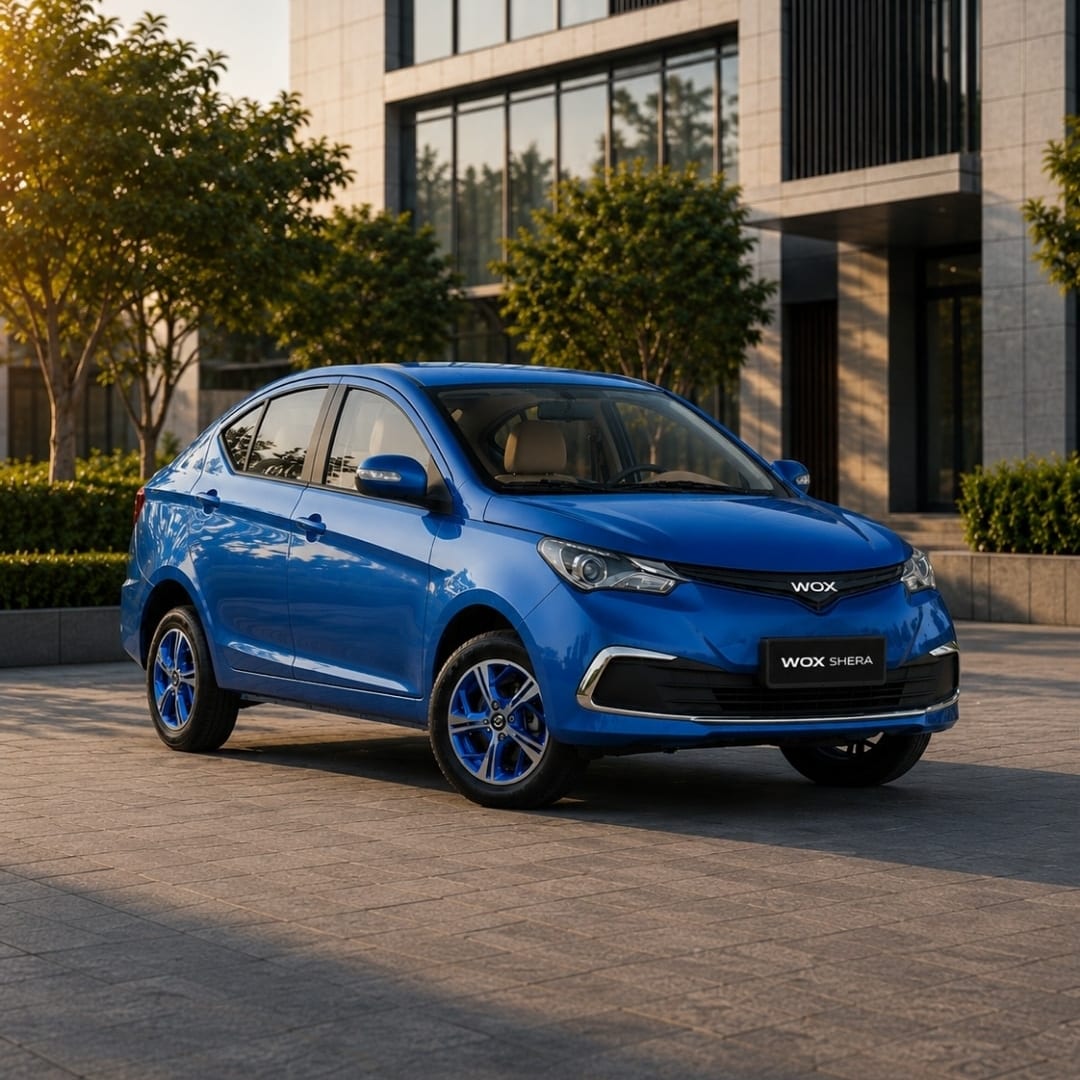
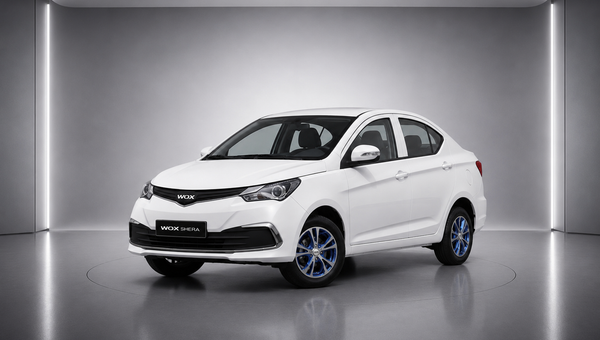
One example of this approach is the WOX Shera, an electric sedan developed specifically for professional taxi and commercial fleet operations. Rather than adapting a consumer platform for fleet use, WOX Shera was engineered with commercial operating requirements as the primary design brief — incorporating LHD and RHD configurations for different market requirements, SAE Level 2 ADAS, and an architecture designed to support the demands of high-utilisation commercial operation across emerging and developed markets.
This kind of purpose-built approach is increasingly recognised across the industry as the appropriate response to the specific requirements of commercial fleet electrification. It reflects an understanding that the taxi operator's needs — durability, accessibility, driver comfort, fleet management integration and total cost of ownership — are distinct from the consumer buyer's needs, and deserve a distinct engineering response.
Conclusion
The choice between a purpose-built commercial vehicle and an adapted passenger car is not simply a question of specification or price. It is a question of engineering intent — and engineering intent has consequences that manifest across every dimension of fleet operations, from daily maintenance costs to long-term vehicle utilisation and residual value.
Fleet operators who evaluate vehicles against the specific requirements of commercial taxi operations — durability, accessibility, driver ergonomics, fleet management integration and total cost of ownership — will find that purpose-built platforms offer structural advantages that adapted passenger cars cannot fully replicate.
As the commercial EV market matures and fleet operators become more sophisticated in their procurement decisions, the distinction between purpose-built and adapted vehicles will become increasingly central to fleet strategy. The operators who recognise this distinction early, and make procurement decisions accordingly, are likely to be better positioned to compete in an increasingly demanding commercial mobility environment.
Explore WOX Motor's commercial fleet solutions: WOX Shera · Fleet Solutions · EV Technology · Charging Infrastructure · Knowledge Centre · Newsroom