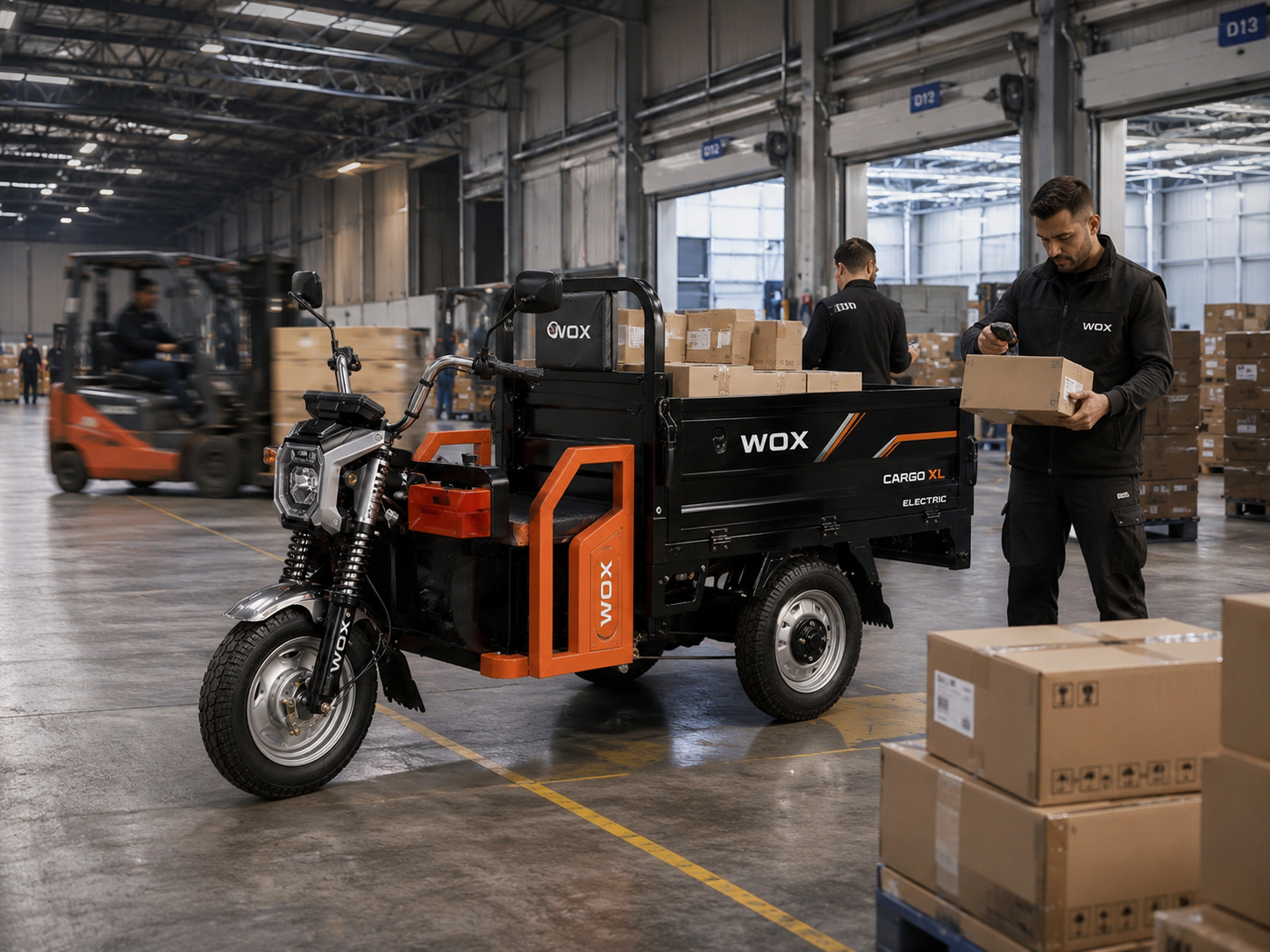
How to Reduce Delivery Costs for Your Small Business Using Electric Utility Vehicles
Fuel bills, maintenance callouts and parking fines are quietly eroding small business margins every day. This practical guide explains how switching to a compact electric utility vehicle can reduce daily operating costs — and what to look for when evaluating your options.
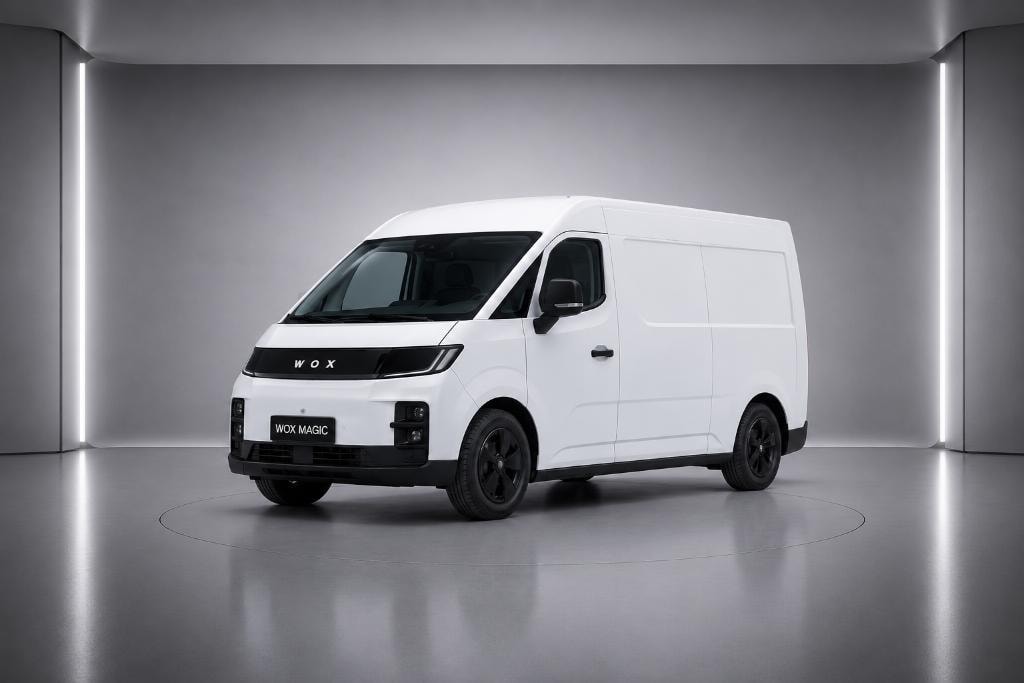
Executive Summary: For small business owners, delivery costs are rarely a single line item — they accumulate across fuel, maintenance, parking, insurance and driver time. This guide examines each cost category in practical terms, explains how compact electric utility vehicles address them, and provides a straightforward framework for evaluating whether the switch makes commercial sense for your operation.
Introduction
Running deliveries for a small business is expensive in ways that are not always obvious until you add them up.
There is the fuel — filled up two or three times a week, at prices that seem to move in one direction. There is the service — oil changes, brake pads, the occasional repair that arrives without warning and takes the vehicle off the road for a day. There is the parking — the fines, the time spent circling, the loading zone charges in city centres. And there is the time: the hours a driver spends in traffic that could be spent completing more deliveries.
For a retailer, restaurant, florist or courier operation running one or two delivery vehicles, these costs are manageable. But they are also largely avoidable — or at least significantly reducible — with the right vehicle choice.
Compact electric utility vehicles have moved from niche to practical over the past few years. They are not perfect for every operation. But for small businesses with regular, short-distance urban delivery routes, they offer a combination of lower running costs, simpler maintenance and better urban access that is worth examining seriously.
1. Fuel Savings: Where the Numbers Are Most Visible
The most immediate and measurable saving from switching to an electric delivery vehicle is fuel.
A petrol or diesel delivery vehicle covering 80–120 km of urban routes daily — typical for a restaurant, florist or small courier operation — will consume roughly 8–12 litres of fuel per day depending on the vehicle, the load and the traffic conditions. At current fuel prices in most markets, that represents a meaningful daily operating cost that compounds across a working week, month and year.
An electric equivalent covering the same distance consumes electricity rather than fuel. The cost per kilometre for electric operation is typically 60–80 percent lower than petrol or diesel in markets with standard grid electricity pricing. For a business running a vehicle 250 days per year, the annual saving can be substantial.
The saving is most pronounced in stop-start urban driving — exactly the pattern that characterises most small business delivery routes. Internal combustion engines are least efficient in this environment; electric motors are not affected by stop-start operation in the same way.
Practical note: The fuel saving calculation depends on your local electricity cost and how you charge. Overnight charging at your premises on a standard business tariff typically offers the lowest cost per kilometre. Public fast charging is more expensive and should be treated as a backup rather than a primary charging method.
2. Maintenance Savings: Fewer Parts, Fewer Surprises
For small business owners, an unexpected vehicle repair is not just a cost — it is a disruption. A van off the road for two days during a busy period means missed deliveries, unhappy customers and scrambled logistics.
Electric drivetrains have significantly fewer moving parts than petrol or diesel engines. There is no engine oil to change, no timing belt to replace, no exhaust system to maintain and no gearbox in most configurations. Regenerative braking reduces wear on brake pads compared with conventional braking systems.
Routine maintenance for a compact electric commercial vehicle typically involves tyre rotation, brake inspection and battery health monitoring. The absence of oil changes and the reduced frequency of brake servicing translate directly into lower annual maintenance costs and fewer unplanned workshop visits.
The primary long-term maintenance consideration is battery health. Lithium iron phosphate (LFP) batteries — used in many compact commercial platforms — are known for longevity and thermal stability. Capacity will decline gradually over years of use, but for most small business applications, a well-maintained battery should remain serviceable for the operational life of the vehicle.
Practical note: Before purchasing, confirm that local service support is available for the specific platform you are considering. Electric vehicle servicing requires different skills and equipment than diesel maintenance. A vehicle with no local service network is a risk regardless of its reliability record.
3. Daily Operating Costs: The Full Picture
Fuel and maintenance are the two largest variable costs, but a complete picture of daily operating costs includes several other factors.
Insurance for compact electric commercial vehicles varies by market and insurer. In some markets, electric vehicles attract lower premiums due to their safety profile and lower theft risk. In others, the cost is comparable to diesel equivalents. Obtain quotes specific to the platform you are evaluating.
Parking and access charges are an area where electric vehicles offer a growing advantage. Low-emission zones in many cities charge diesel vehicles for access or restrict them entirely. Electric vehicles are typically exempt. In city centres with congestion charges, electric commercial vehicles may also qualify for exemption or reduction. For businesses making regular deliveries in regulated urban areas, this saving can be significant.
Driver time is not a direct vehicle cost, but it is a real operating cost. A compact vehicle that can park closer to delivery addresses, navigate narrower streets and access locations that a larger van cannot will complete more deliveries per hour than a vehicle that requires the driver to walk further from a distant parking space. Over a full working day, this difference accumulates.
4. Sector-by-Sector: How the Economics Apply
The case for electric utility vehicles is not identical across all small business types. Here is how the economics apply to the most common use cases.
Restaurants and cafes making daily ingredient deliveries or catering runs typically cover short, predictable routes with moderate payloads. Electric operation suits this pattern well. The enclosed cargo configuration keeps deliveries protected and presentable.
Florists require careful handling of perishable goods and often make multiple short-distance deliveries across a working day. Compact electric platforms with enclosed cargo configurations are well-matched to this use case.
Pharmacies and healthcare retailers typically deliver small, high-value parcels across dense urban areas. The combination of low running costs, easy parking and reliable operation makes compact electric platforms attractive for this sector.
Hardware stores and building suppliers moving heavier materials need to verify that the payload capacity of a compact electric platform is sufficient for their typical load. For lighter deliveries — fixings, tools, small components — the economics are favourable. For heavy materials, a larger platform may be more appropriate.
Courier and parcel delivery operations benefit significantly from the urban access advantages of compact electric platforms. The ability to park in smaller spaces and access restricted zones directly reduces time per delivery stop.
Wholesalers distributing to local retailers typically move moderate payloads across short urban routes. The economics of electric operation are generally favourable, provided payload capacity is adequate.
5. A Practical Example: WOX Carry
The WOX Carry is one example of a compact electric commercial platform designed for small business and urban logistics use. It is available in multiple body configurations — enclosed cargo cabin, open flatbed, canopy-covered cargo bed and passenger variants — which allows operators to match the platform to their specific delivery requirements rather than adapting a generic vehicle to an unsuitable purpose.
Its electric powertrain options (500W–1,200W) and compact dimensions are suited to the urban delivery patterns described above. It is not positioned as a solution for every commercial requirement — businesses with high payload needs or long-distance routes should evaluate whether a larger platform is more appropriate.
It is mentioned here as a practical illustration of what a purpose-built compact electric commercial platform looks like, not as the only option in the category.
6. Urban Accessibility: The Advantage That Grows Over Time
Urban access restrictions are expanding in cities across the world. Low-emission zones, clean air zones, pedestrianisation schemes and time-restricted delivery windows are all reducing the operational freedom of diesel commercial vehicles in the locations where small businesses most need to make deliveries.
Electric commercial vehicles are structurally better positioned in this regulatory environment. They produce zero tailpipe emissions and can operate in restricted zones without surcharge or exemption applications. Their compact dimensions allow access to locations that full-size vans cannot reach.
For small businesses making deliveries in city centres, residential neighbourhoods or managed properties — hotels, hospitals, universities, shopping centres — the access advantage of a compact electric platform is not marginal. In some cases, it is the difference between being able to complete a delivery at all and being turned away at the gate.
7. Reliability: What to Look For
Reliability is the most important practical consideration for any small business vehicle. A vehicle that is frequently off the road is not saving money — it is costing it.
When evaluating a compact electric commercial platform for reliability, consider:
- Battery warranty: What does the manufacturer warrant in terms of battery capacity retention over time? A credible warranty provides some protection against premature degradation.
- Service network: Is there a local service centre or authorised technician who can service the vehicle? Remote or online-only support is inadequate for a business-critical vehicle.
- Parts availability: Are replacement parts available locally, or do they need to be imported? Long lead times on parts can extend downtime significantly.
- Operator reviews: Where available, seek feedback from other businesses using the same platform in similar operating conditions.
8. Is the Switch Right for Your Business?
Not every small business should switch to a compact electric utility vehicle immediately. The decision depends on your specific operation.
The switch is likely to make commercial sense if:
- Your daily delivery routes cover 60–150 km in urban or peri-urban areas
- You have access to overnight charging at your premises or a nearby facility
- Your typical payload is within the capacity of a compact platform (250–600 kg)
- You are making deliveries in areas with active or planned low-emission zone restrictions
- You are currently spending significantly on fuel for stop-start urban driving
The switch may not yet make sense if:
- Your routes regularly exceed the range of available compact electric platforms
- You have no reliable access to charging infrastructure
- Your payload requirements consistently exceed compact platform capacity
- Local service support for electric commercial vehicles is not yet available in your area
Practical Checklist Before You Buy
Use this checklist when evaluating any compact electric commercial vehicle for your business:
- Daily range — Does the vehicle's stated range comfortably cover your longest daily route with margin for variation?
- Payload — Does the payload capacity meet your typical load requirements?
- Body configuration — Is the right cargo body available for your delivery type (enclosed, flatbed, canopy)?
- Charging — Do you have access to overnight charging at your premises? What is the charge time from empty?
- Service network — Is there a local authorised service centre within a reasonable distance?
- Parts availability — Are replacement parts available locally with short lead times?
- Battery warranty — What does the manufacturer warrant for battery capacity retention?
- Total cost of ownership — Have you calculated the 3-year total cost including purchase, fuel/energy, maintenance and insurance?
- Access compliance — Will the vehicle comply with low-emission zone requirements in your delivery areas?
- Test operation — Can you trial the vehicle on your actual routes before committing to purchase?
Suggested Infographics
- Annual cost comparison: Bar chart showing estimated annual fuel, maintenance and total operating costs for a compact electric platform versus a petrol equivalent across a typical small business delivery pattern
- Sector suitability matrix: Grid showing which business types are best matched to compact electric platforms based on payload, route distance and delivery frequency
- Charging options diagram: Visual guide to charging options — overnight premises charging, public AC charging, public DC fast charging — with indicative cost and time comparisons
- Urban access map: Illustrative city map showing low-emission zone coverage and the access advantage of electric versus diesel vehicles
Frequently Asked Questions
How much can a small business save by switching to an electric delivery vehicle? For businesses completing 60–120 km of urban delivery routes daily, electric operation typically reduces per-kilometre fuel costs by 60–80 percent compared with petrol or diesel alternatives. Maintenance savings add further over time.
Are electric utility vehicles reliable enough for daily business use? Modern compact electric commercial vehicles are designed for daily operational use. Electric drivetrains have fewer moving parts than combustion engines, reducing the frequency of unplanned maintenance. LFP battery chemistry — used in many commercial platforms — is known for durability.
What types of small businesses benefit most from electric delivery vehicles? Businesses with regular, short-distance urban delivery routes benefit most: restaurants, cafes, florists, pharmacies, retailers, bakeries, courier operations, hardware stores and wholesalers.
Can a compact electric utility vehicle handle the payload requirements of a small business? Most compact electric commercial platforms offer a payload of 250–600 kg, which is adequate for the majority of small business delivery requirements. Businesses regularly moving heavy or bulky loads should verify payload capacity before purchasing.
What should I check before buying an electric delivery vehicle for my business? Key considerations include payload capacity, daily range versus route distance, charging infrastructure access, local service support availability, body configuration options and total cost of ownership over a 3–5 year period.
Related Reading
- Electric Cargo Vehicles vs Small Delivery Vans: Full Comparison
- Why Last-Mile Delivery Is Changing Worldwide
- The Future of Urban Delivery Is Smaller, Smarter and Electric
- Buyer's Guide: Choosing the Right Urban Delivery Vehicle
- Buyer's Guide: Best Electric Cargo Vehicle for Small Businesses
- Commercial EV vs Traditional Utility Vehicle
- Explore the WOX Carry Commercial Platform
- WOX Carry for Retail & Small Business
- Fleet Solutions and Commercial Enquiries
- Become a WOX Distributor